

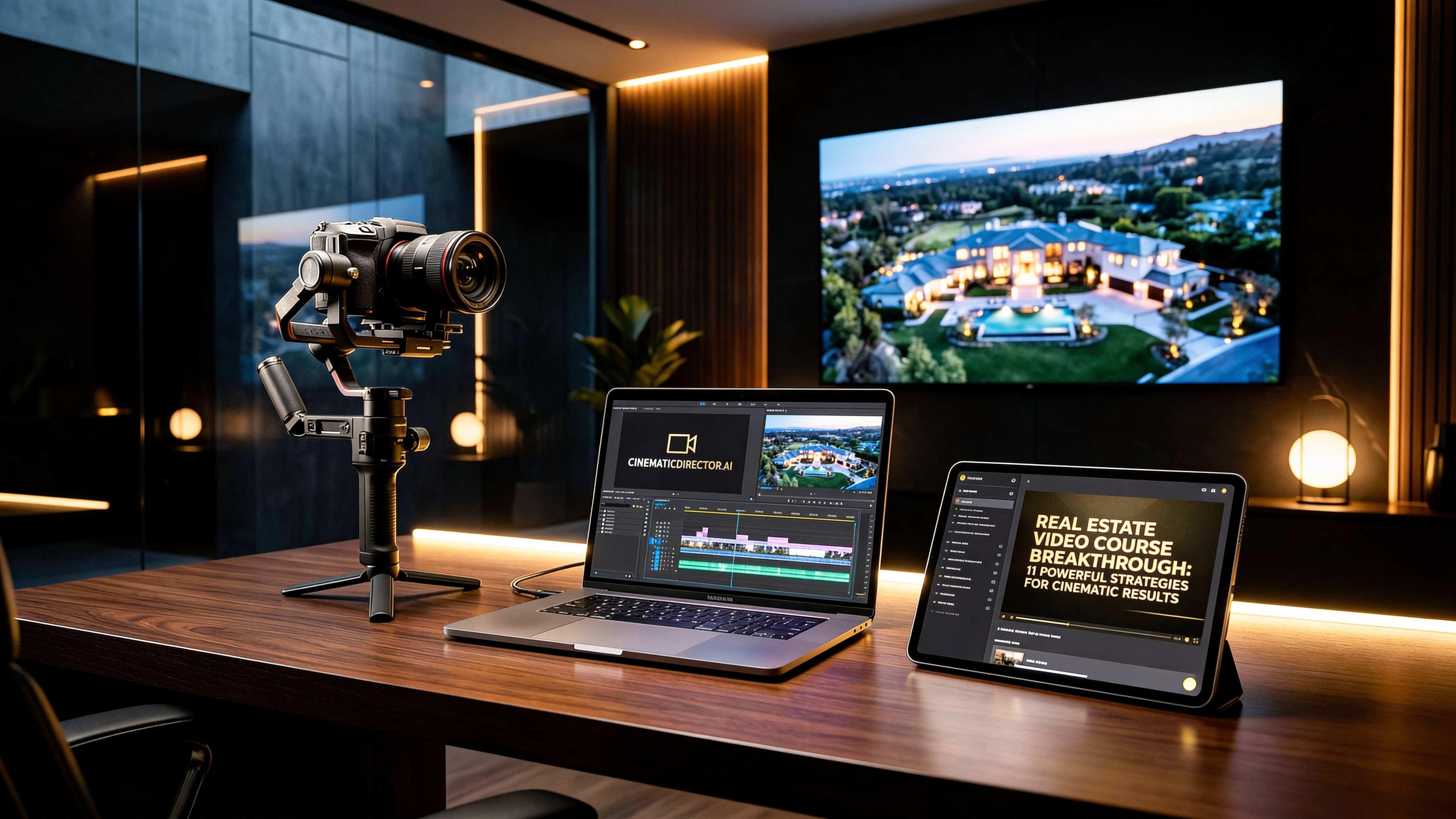
11 Powerful Ways to Elevate Your Marketing in 2026
The real estate industry has changed fast. Static listing photos and long text descriptions are no longer enough to capture attention, explain value, or build trust. Buyers scroll quickly, sellers compare aggressively, and social platforms reward motion, emotion, and storytelling.
That’s where a real estate video course becomes essential.
For real estate professionals and content creators alike, video is no longer a “nice-to-have” skill. It is a core business asset. Agents who understand video attract better listings, convert warmer leads, and position themselves as market authorities. Creators who understand real estate video unlock one of the most profitable niches in modern content production.
Yet many professionals feel stuck. They know video matters, but the process feels overwhelming—cameras, editing, scripts, platforms, algorithms, and now artificial intelligence.
This article explores what a modern real estate video course should actually teach, why AI-driven workflows are redefining video marketing, and how programs like The Real Estate AI Video Formula from cinematicdirector.ai fit into this evolving landscape—without revealing paid strategies.
The Rise of Video-First Real Estate Marketing
Why Buyers Expect Video Before Anything Else
Today’s buyers want to experience a property before stepping inside. Video delivers what photos cannot:
- Flow and scale of space
- Natural lighting and movement
- Emotional connection to lifestyle
- Context of neighborhood and surroundings
Short-form videos dominate platforms like Instagram, TikTok, and YouTube Shorts, while long-form walkthroughs perform well on YouTube and listing pages. A strong real estate video course teaches how to match video format to buyer intent instead of chasing trends.
Why Sellers Choose Agents Who Use Video
From a seller’s perspective, video signals effort, professionalism, and reach. Agents who use video effectively are often perceived as better marketers, more modern, and more confident communicators.
A well-structured real estate video course doesn’t just teach how to film houses—it teaches how to win listings through visual authority.
What Makes a Real Estate Video Course Truly Valuable
Not all courses are created equal. Many focus on gear reviews or surface-level tips. A professional-grade real estate video course focuses on systems, not shortcuts.
Strategy Comes Before Cameras
Before anyone presses record, clarity is required around audience, platform goals, and content lifecycle. High-quality programs teach video as part of a larger marketing ecosystem rather than isolated clips.
Storytelling Beats Feature Lists
Listing specs are easy to copy. Stories are not. Modern real estate video focuses on lifestyle narratives, emotional hooks, and positioning value clearly. This is where structured education separates amateurs from professionals.
The Role of AI in Modern Real Estate Video
Why AI Is Reshaping Video Workflows
Artificial intelligence has reduced friction in video production. Tasks that once took hours now take minutes, allowing professionals to focus on direction rather than execution.
AI supports scripting, planning, editing acceleration, and content repurposing. A modern real estate video course acknowledges this shift instead of ignoring it.
AI as a Creative Assistant, Not a Replacement
The most effective programs teach how to guide AI with intention. Creative direction, tone, and brand voice remain human-driven.
Why Cinematic Quality Still Matters
Cinematic Does Not Mean Complicated
Cinematic video does not require expensive gear. It means intentional framing, controlled movement, purposeful pacing, and emotional continuity.
A strong real estate video course simplifies cinematic principles into repeatable frameworks.
The Psychology of Visual Trust
High-quality visuals subconsciously signal higher value, professionalism, and credibility. This perception directly impacts buyer trust and seller confidence.
Who Benefits Most From a Real Estate Video Course
Real Estate Agents and Brokers
Agents use video to win listings, educate buyers, build personal brands, and stay visible online. Structured learning removes guesswork and accelerates confidence.
Content Creators and Videographers
Creators who understand real estate video gain access to higher-paying clients, repeatable work, and clearer creative direction.
Teams and Brokerages
Brokerages increasingly standardize video marketing. Courses help create consistency, scalability, and faster onboarding.
Short-Form vs Long-Form Video in Real Estate
The Strength of Short-Form Content
Short-form video dominates discovery. It works well for property highlights, personal branding, and market commentary.
A quality real estate video course explains how short-form fits into lead generation rather than vanity metrics.
Where Long-Form Video Wins
Long-form video builds trust and authority. Walkthroughs, educational guides, and community features help buyers make informed decisions.
Common Video Mistakes Most Professionals Make
- Obsessing over equipment instead of message
- Posting without a strategy
- Copying trends without brand alignment
- Being inconsistent with publishing
- Ignoring storytelling fundamentals
A structured real estate video course exists to eliminate these mistakes early.
Using Video to Build Authority Beyond Listings
Education Builds Long-Term Trust
Agents who educate outperform agents who only promote. Educational video content positions professionals as guides rather than salespeople.
Personal Brand and Property Marketing Together
The strongest real estate brands blend personal authority with property promotion. Video connects both when done intentionally.
Why Systems Matter More Than Talent
Talent helps, but systems scale. Professional courses emphasize repeatable workflows, templates, and efficiency.
This allows consistent content without burnout.
A Modern Example: The Real Estate AI Video Formula
Some modern programs, such as The Real Estate AI Video Formula available through cinematicdirector.ai, focus on direction, structure, and AI-enhanced efficiency rather than surface-level tactics.
Instead of teaching which buttons to press, these systems emphasize planning, creative control, and scalability.
Frequently Asked Questions
What is a real estate video course?
A real estate video course teaches professionals how to plan, shoot, and use video effectively for marketing, branding, and lead generation.
Do I need expensive equipment?
No. Most modern courses focus on principles that work with simple setups.
Is AI replacing videographers and agents?
No. AI improves efficiency, but creative direction and human connection remain essential.
How quickly can video improve results?
Consistency matters more than speed. Many see engagement improve within weeks.
Are these courses only for agents?
No. Creators, videographers, and marketers benefit as well.
What separates advanced courses from free tutorials?
Advanced courses focus on systems, psychology, and strategy rather than isolated tips.
The Future of Real Estate Video Education
The future belongs to professionals who understand storytelling, use AI responsibly, and build scalable systems.
A modern real estate video course prepares professionals not just for today’s platforms, but for tomorrow’s expectations.
Why Learning Video Is Now a Competitive Advantage
Video is no longer optional in real estate marketing. Professionals who invest in structured education gain clarity, confidence, and consistency.
Whether you are an agent or a creator, the right real estate video course provides leverage that free content cannot.
The question is no longer if video matters—it’s how strategically you choose to master it.
Stop prompting. Start directing.
1️⃣ Want to learn to make AI real estate videos?
Join the course
2️⃣ Turn video views into buyer messages
3️⃣ Use AI to get that luxury look
4️⃣ Get LIFETIME ACCESS to My Private Prompt Library